Pistol Performance Workshop
Speed, Accuracy & Practical Application
USPSA & Competition-Focused Handgun Training
This two-day Pistol Performance Workshop places a heavy emphasis on USPSA and practical competitive shooting. The fundamentals of shooting don't change based on whether you're on a competition stage, at the range, or applying those skills in another environment. What changes is the context in which those fundamentals are tested.
Throughout this course, we'll establish and build upon the baseline fundamentals of handgun performance, then apply those skills through structured drills, movement, target engagement, and stage-style shooting commonly found in USPSA competition.
The focus isn't simply shooting faster. It's understanding how vision, grip application, recoil impulse, efficient mechanics, and decision-making work together to produce consistent results at speed.
Students will work through drills that challenge their ability to process visual information, call shots, execute efficient target transitions, move into and out of shooting positions, and maintain accuracy while working against the clock. We'll also explore how to approach shooting problems, eliminate unnecessary movement, and execute with greater confidence and consistency.
A large portion of the workshop will incorporate USPSA-style shooting applications, giving students the opportunity to put individual skills together in a more dynamic environment. The goal is to help shooters understand not only how to perform a skill, but when and why it matters.
Whether you're an active USPSA competitor looking to improve match performance, someone considering their first competition, or a shooter wanting to develop stronger handgun skills, this workshop offers a practical environment to challenge your abilities.
Instruction is led by Michael Billings of Digital R.O.E.
Training Topics
Fundamentals of handgun performance
Presentation and efficient draw mechanics
Vision, target processing, and confirmation levels
Grip application and understanding recoil impulse
Shot calling and visual accountability
Target transitions and multiple-target engagement
Movement, positional shooting, and shooting on the move
Efficient entries and exits from shooting positions
Reloads
Cadence, trigger control, and accuracy at speed
USPSA-style drills and stage applications
Stage planning, execution, and eliminating wasted movement
Performance diagnostics, drills, and measurable standards
Maintaining accountability under time pressure
Required Equipment
Reliable handgun
Quality holster and belt setup
Minimum of three magazines
Magazine pouches
Eye and ear protection
Water and weather-appropriate gear
1,000 rounds of ammunition recommended
COURSE INFORMATION
Cost: $350
Duration: Two Days
8:30 AM – Approximately 4:30 PM each day
Round Count: 750+ rounds recommended
REQUIRED EQUIPMENT
• Reliable handgun
• Quality holster (OWB or performance-oriented setup preferred)
• Minimum of 3 magazines
• Magazine pouches
• Sturdy belt setup
• Eye & ear protection
• Water, weather-appropriate clothing, and basic range necessities
Prerequisites
Students should have a basic understanding of firearm safety, safe gun handling, and proper range etiquette.
Previous USPSA competition experience is not required. However, students should be comfortable safely drawing from a holster and handling their firearm throughout a structured training environment.
WHY THIS COURSE
This workshop is built around performance, not theatrics.
Students will leave with a better understanding of:
• What is actually slowing them down
• How vision affects shooting speed
• How to apply Compression and control to the handgun more efficiently
• How to build consistency instead of chasing speed alone
• How to diagnose problems and make meaningful adjustments


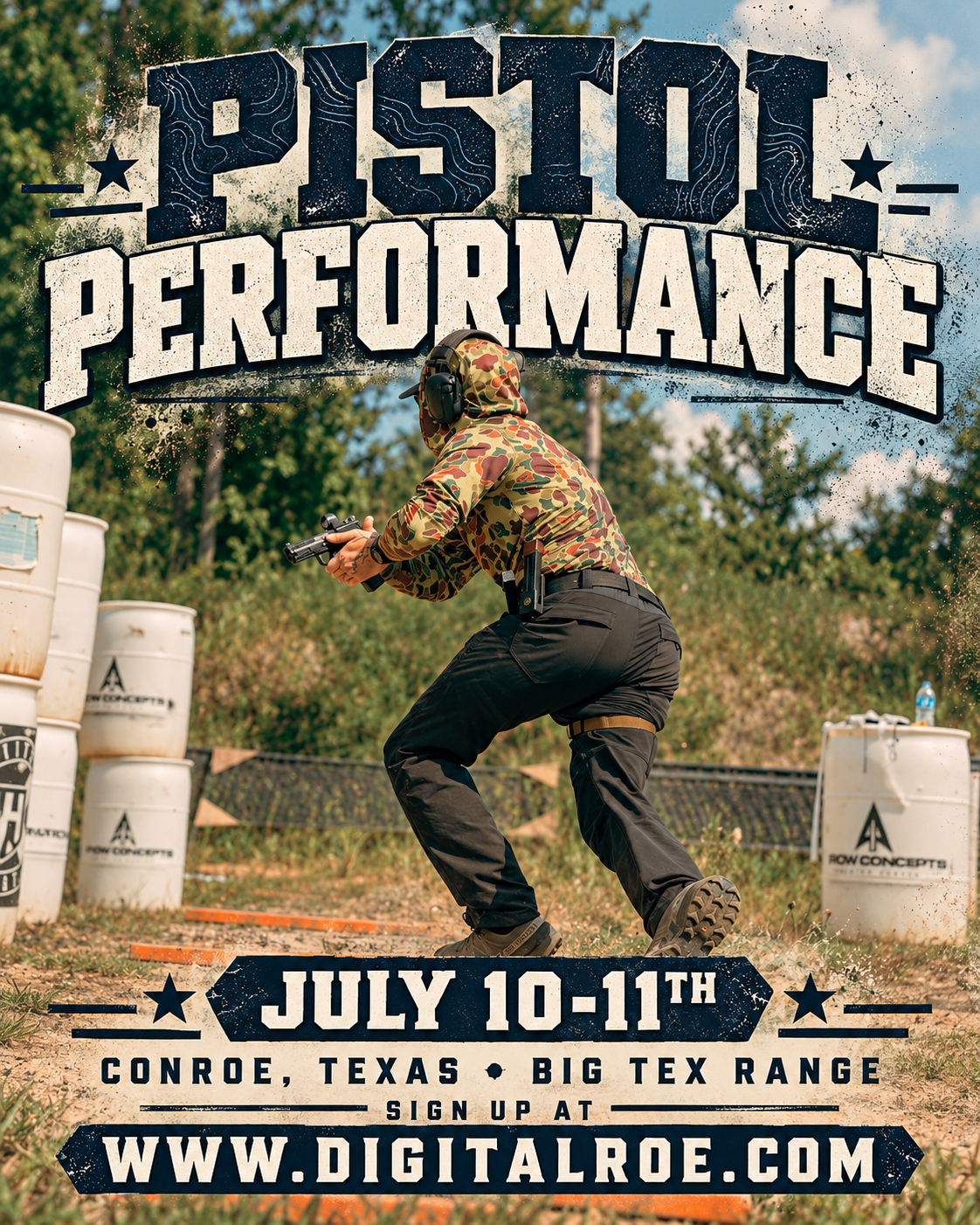 Image 1 of 9
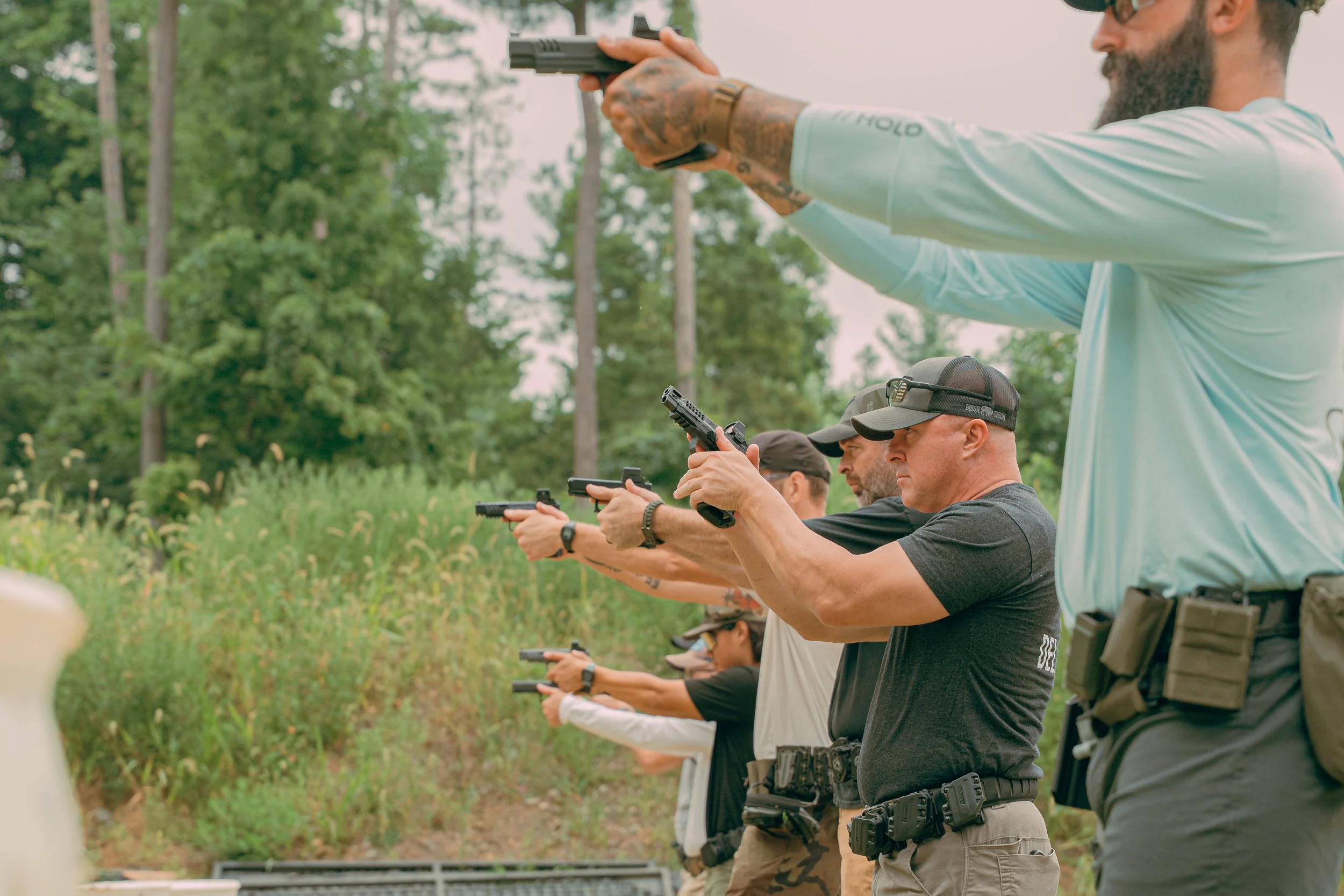 Image 2 of 9
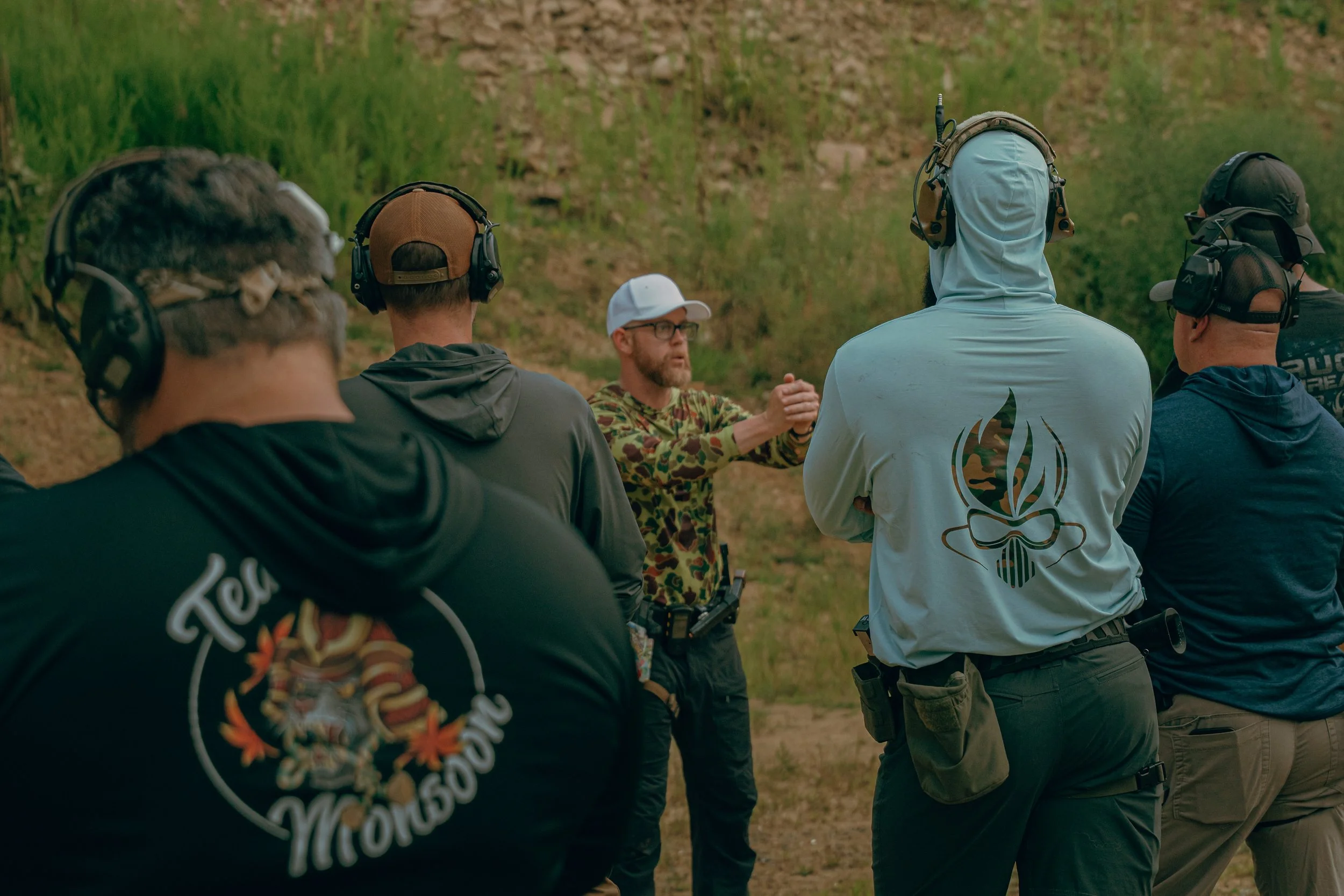 Image 3 of 9
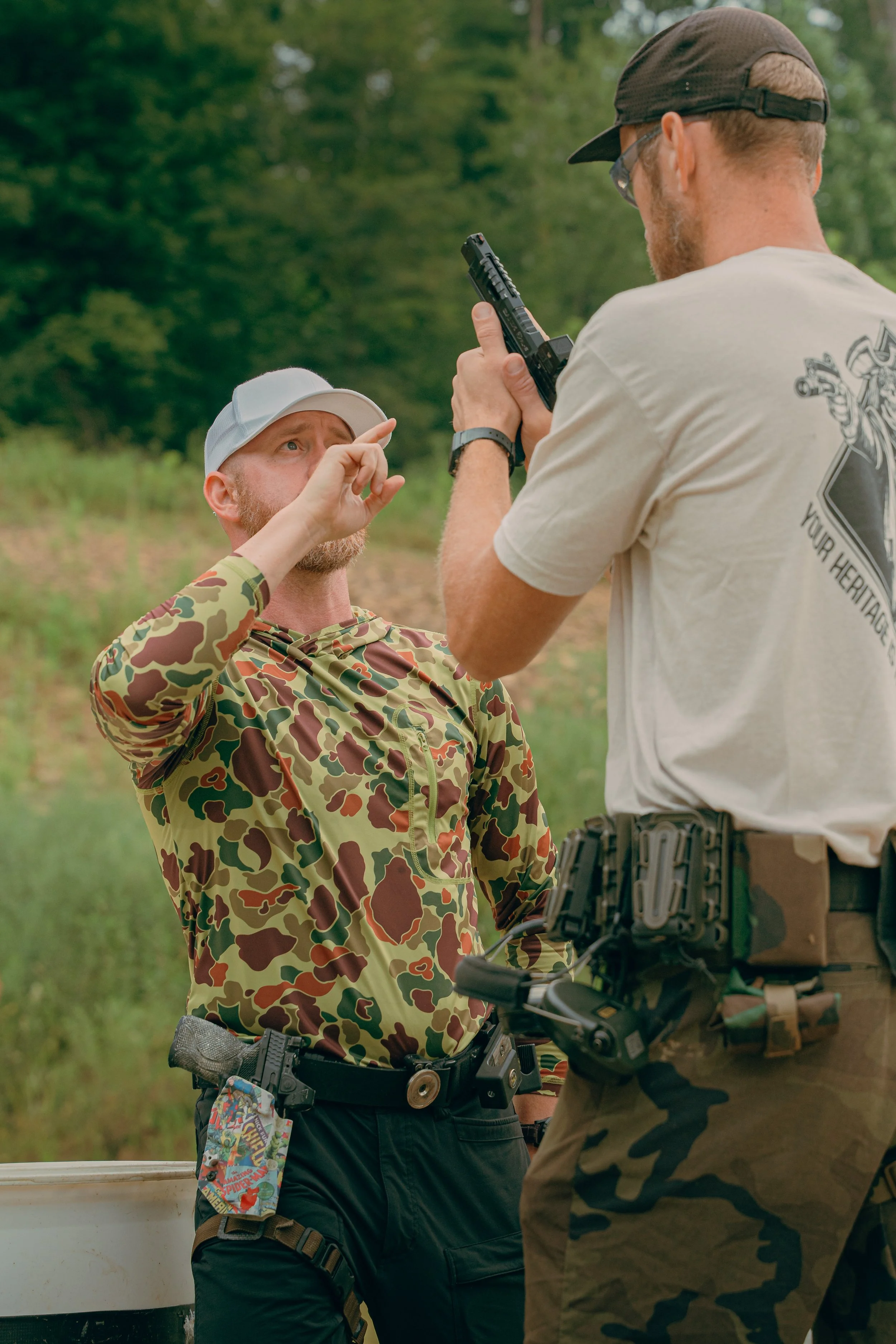 Image 4 of 9
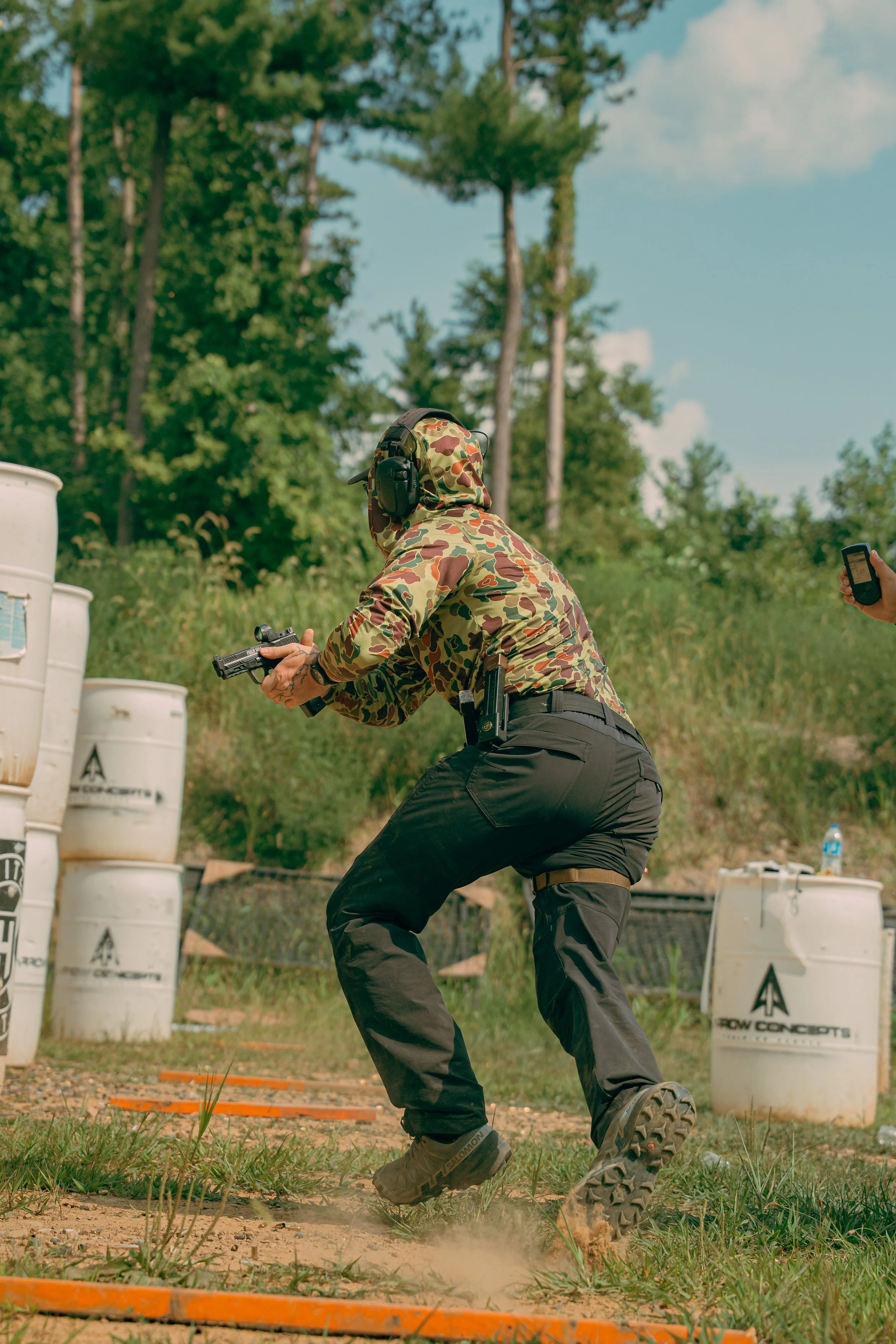 Image 5 of 9
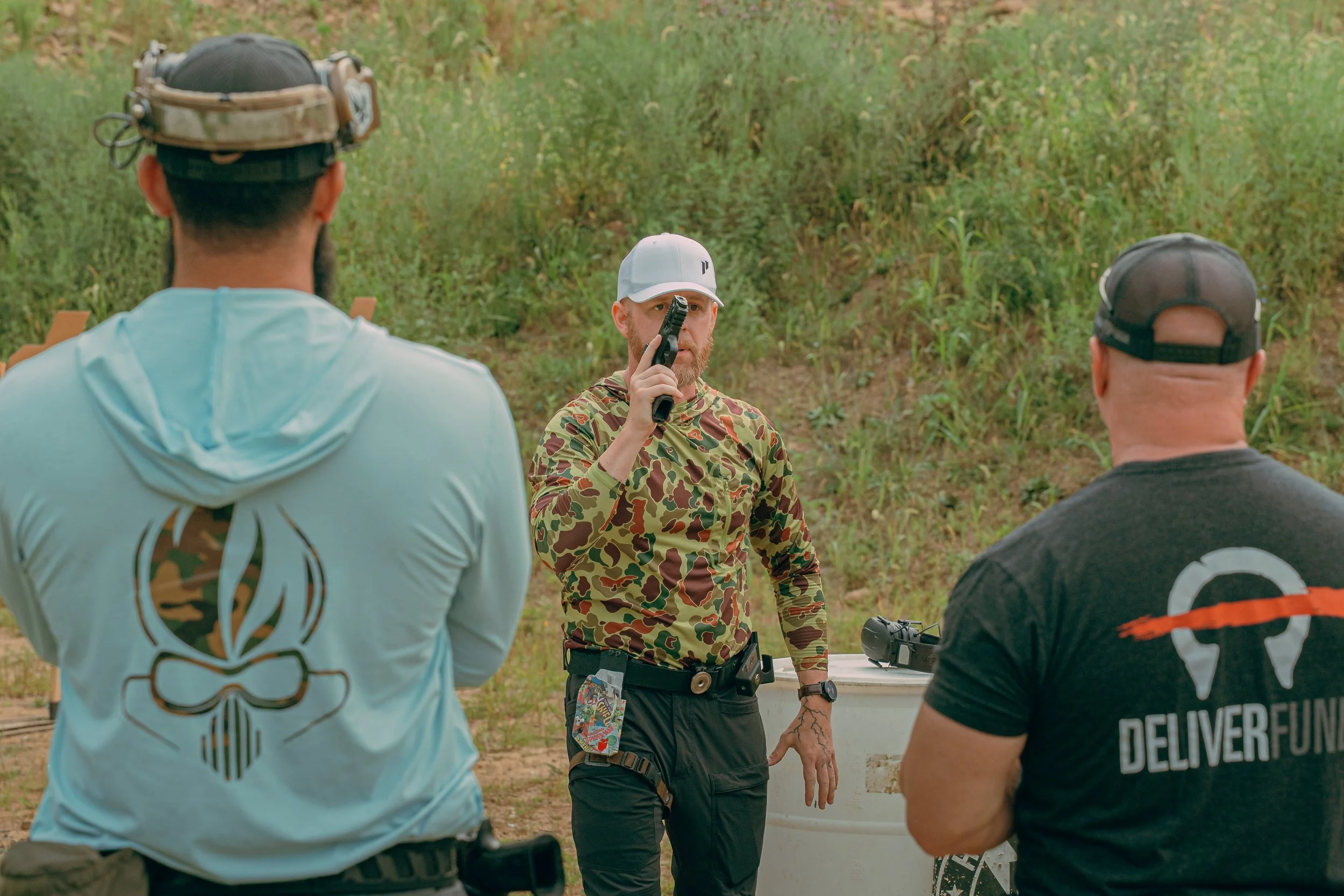 Image 6 of 9
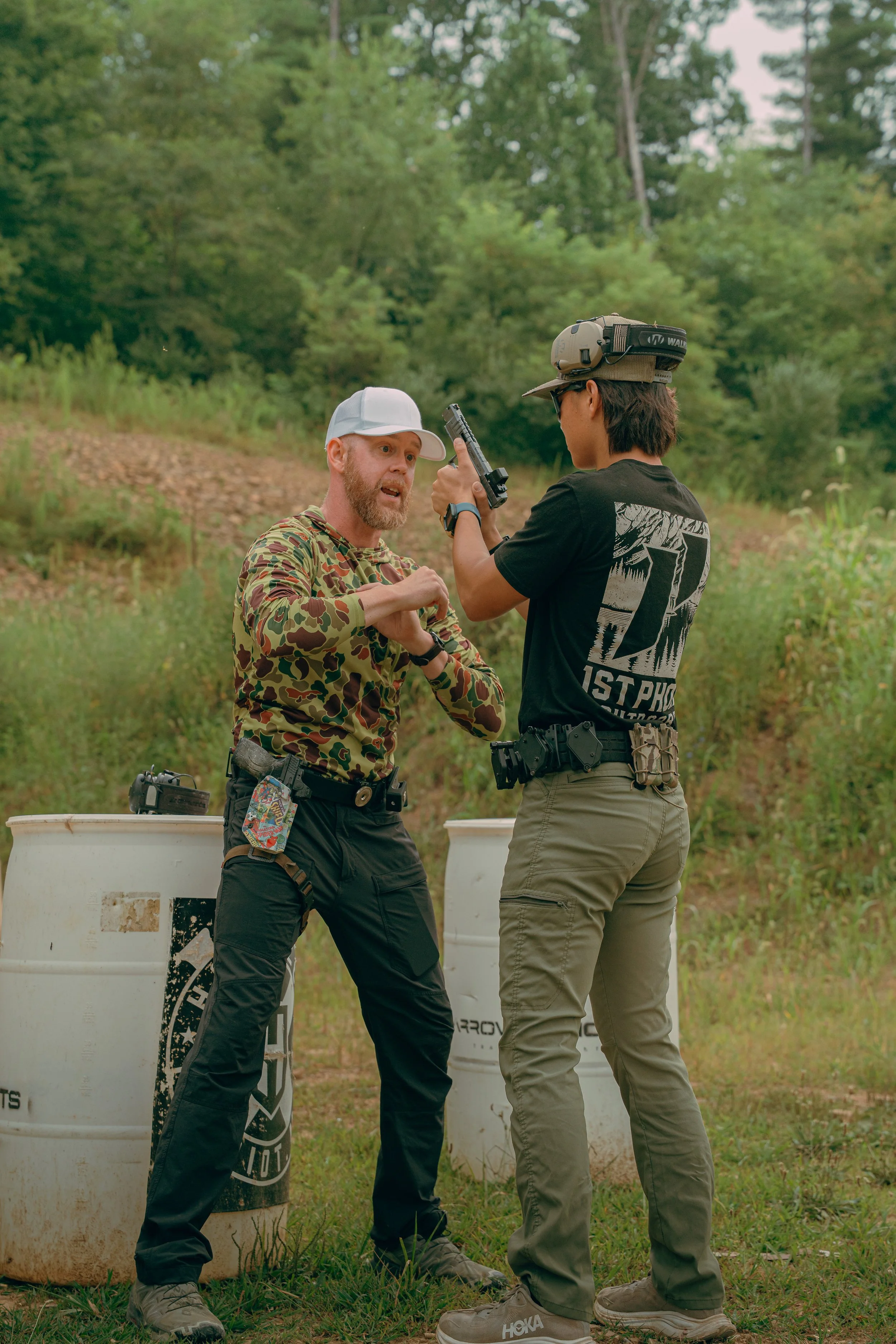 Image 7 of 9
 Image 8 of 9
 Image 9 of 9

